Not Every Collab Is a Come-Up: How to Choose Partners Without Losing Yourself
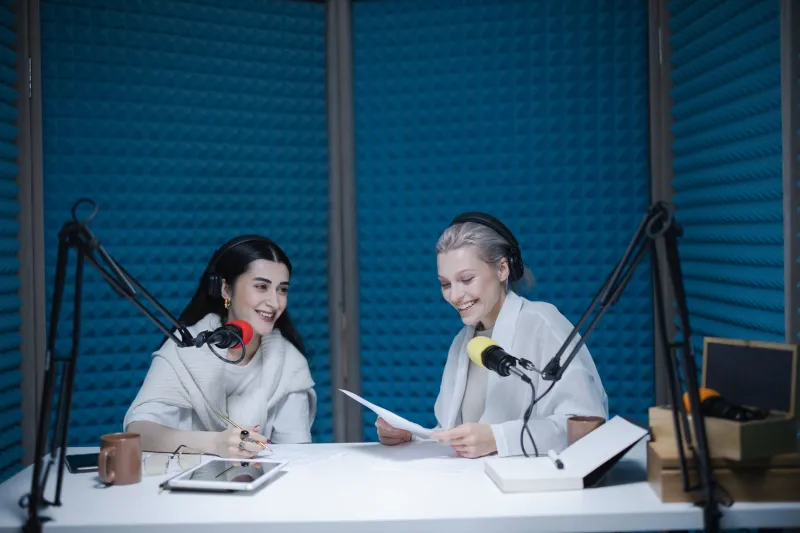
There's a moment most creators know well. Your notifications blow up, a bigger name slides into your DMs, and suddenly a collaboration feels less like an opportunity and more like a sign from the universe. You're supposed to say yes, right? More reach, more exposure, more everything.
Except sometimes, more is just... more noise.
The creator economy has sold us on the idea that collaboration is always a win. Cross-promotion, joint content, co-branded projects — on paper, it all sounds like smart strategy. But here's what nobody's really talking about: a bad collab doesn't just waste your time. It can actively chip away at the thing you've spent months or years building — your identity.
The Audience You Built Actually Knows You
Here's the part that catches a lot of creators off guard. Your audience didn't just subscribe to your content. They subscribed to you — your perspective, your aesthetic, your weird little corner of the internet. When you suddenly show up in a collab that feels off-brand, they notice. Maybe they don't leave a comment about it, but they feel it.
Think about it from a viewer's perspective. You follow a minimalist lifestyle creator who talks about intentional living and slow mornings. Then one week, they're hyping up a high-energy gaming streamer's new channel. It's not offensive. It's just... confusing. And confusion is the enemy of trust.
Your audience uses consistency as a signal. It tells them they're in the right place, that they made a good call by sticking around. When that consistency breaks, even subtly, you're asking them to recalibrate — and not everyone will bother.
Why Creators Say Yes When They Shouldn't
Let's be honest about the pressure here. The creator space in the US is competitive in ways that can make you feel like every opportunity you pass on is a door closing forever. Add in the very real anxiety of watching your metrics plateau, and suddenly a collab with someone who doesn't quite align starts to look a lot more appealing.
FOMO is real. So is the fear of being irrelevant.
But chasing growth through partnerships that don't fit your brand is a bit like adding random ingredients to a recipe that already works — you might end up with something edible, but you've lost what made the original dish worth making.
There's also the social awkwardness factor. A lot of creators say yes to collabs because they don't want to seem difficult, ungrateful, or elitist. Declining a collaboration can feel like a rejection, and in a community built on mutual support, that's genuinely uncomfortable. But your brand isn't a favor you owe someone.
What a High-Value Partnership Actually Looks Like
So what separates a collab that amplifies your brand from one that muddies it? A few things worth looking at before you commit:
Audience overlap that makes sense. You're not looking for identical audiences — that's just preaching to the choir. You want overlap that's logical. A fitness creator and a mental health creator? That tracks. A true crime podcaster and a luxury travel influencer? Probably not the vibe.
Shared values, not just shared aesthetics. Two creators can have a similar visual style but completely different values. One might prioritize authenticity and vulnerability; the other might be more aspirational and polished. If your values don't align, the content will feel forced, and audiences on both sides will sense it.
Complementary positioning. The best collabs happen when two creators bring something different to the table. You're not competing for the same space — you're expanding into adjacent territory together. Each person's spotlight gets brighter because of what the other one brings.
A clear creative narrative. Before you agree to anything, ask yourself: what's the story here? If you can't articulate why these two creators are doing this thing together, your audience won't be able to either.
The Slow Burn of Brand Dilution
One misaligned collab probably won't tank your brand. But a pattern of them will. Over time, saying yes to everyone makes it harder for people to describe who you are and what you're about. And in a crowded content landscape, clarity is currency.
Brand dilution doesn't announce itself. It's not a single bad video or a collab that tanks in the comments. It's the slow erosion of your distinctiveness — the point where your longtime followers start to feel like they don't quite know you anymore, and new viewers can't figure out why they should care.
That's a hard hole to climb out of.
How to Say No Without Burning a Bridge
If you're going to be selective — and you should be — you need a graceful way to decline. The good news is that honesty, delivered with warmth, almost always lands well.
Something like: "I really respect what you're doing, but I don't think our audiences would get the most out of this one right now." Simple, genuine, no drama. Most creators will respect it because they've been on the other side of a collab that didn't fit.
You can also leave the door open for the future without committing to anything. A "not right now" isn't a forever no — and it keeps the relationship intact for when an opportunity actually makes sense.
Your Brand Is the Long Game
Spotlite exists because your story deserves its own stage — not a stage you're sharing with whoever happened to reach out this week. The creators who build something lasting are the ones who treat every decision, including collaboration, as part of a bigger narrative.
That doesn't mean going it alone. The right partnerships can be genuinely transformative — opening doors, introducing you to audiences who become ride-or-die fans, and creating content that neither of you could have made solo. That kind of collab is worth chasing.
But the keyword is right. Not big. Not convenient. Not just available.
Your spotlight is yours. Be thoughtful about who you share it with.