Karaoke Nights, Community Theater, and the Quiet Rise of America's Amateur All-Stars
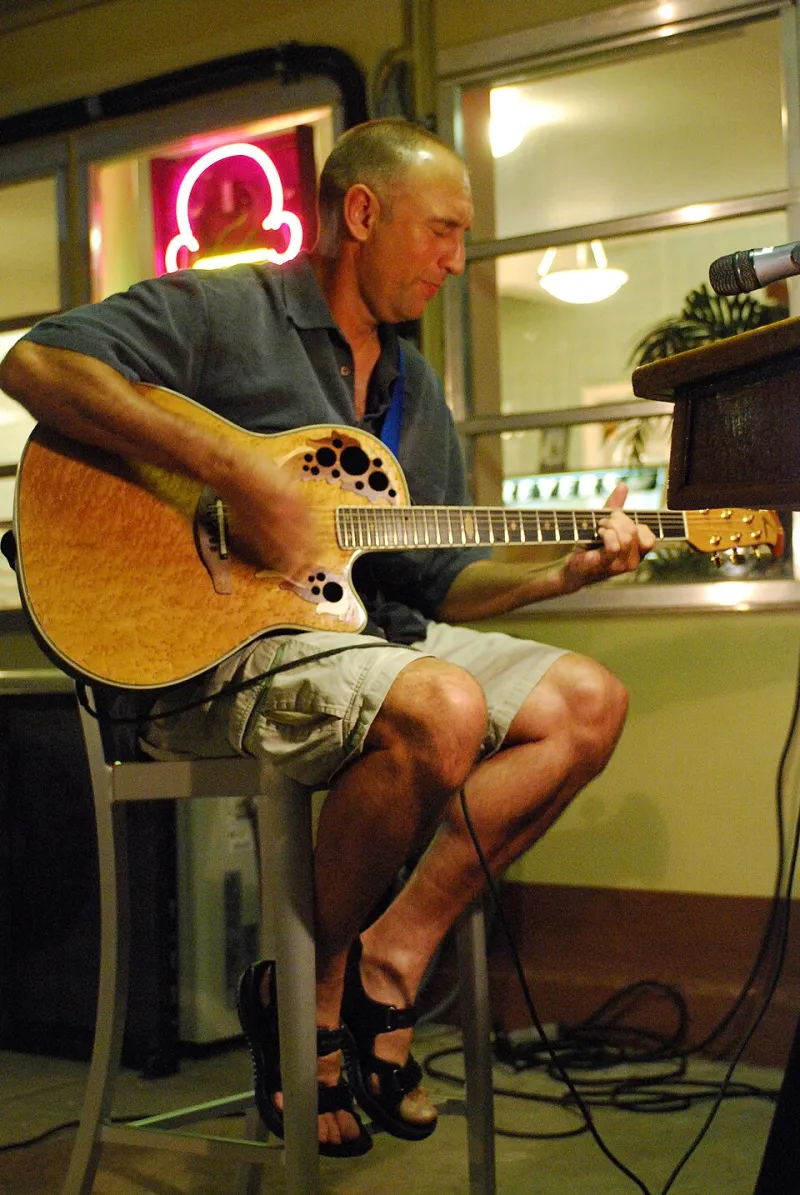
Photo: Petty Officer 2nd Class Cheryl Dilgard, Public domain, via Wikimedia Commons
Not every personal brand starts with a ring light and a content calendar. Some start with a Tuesday-night karaoke machine in a dive bar outside Cleveland.
Across the country, amateur performers are discovering that the gap between "hobby" and "headline" is smaller than it looks — and that the first three moves matter more than the three-hundredth post. Here are four real-world playbooks worth borrowing.
The Karaoke Regular Who Booked Real Gigs
Detroit, Michigan. Denise Alvarez spent three years as a fixture at her neighborhood bar's karaoke night. Her first move wasn't posting videos — it was asking the bar owner if she could host one night a month. Hosting forced her to learn mic presence, read a room, and get comfortable being in charge of the energy.
Her second move: she recorded one clean live performance — phone on a tripod, decent lighting, no edits — and sent it to three local event planners. Her third: she created a simple booking page with her name, her set list, and a contact email.
Eighteen months later, she's singing at weddings, corporate holiday parties, and a minor league baseball game. Total ad spend: zero dollars.
The steal: Your local scene is a booking engine. Volume of live reps beats polish of online content in the early going.
The Community Theater Actor Who Got Seen
Asheville, North Carolina. Jerome Battle did community theater for a decade before anyone outside the program knew his name. His first move was getting photographed well — he traded headshots with a photographer friend and finally had images that looked like him on a good day.
Move two: he started posting rehearsal clips, not performances. Rights issues make taping shows a legal minefield, but rehearsal moments — the laugh between lines, the choreography run that finally clicks — are his to share, and they performed better than anything staged.
Move three: he told every director he worked with that he was looking for paid work. It sounds obvious. Almost nobody says it out loud. Within a year, a visiting director hired him for a regional commercial.
The steal: Tell people what you want. The people already in the room with you are the most likely to hand you the next room.
The Weekend Photographer Who Found a Lane
Austin, Texas. Priya Raman shot her friends' brunches for fun until one photo of a local taqueria's neon sign went mildly viral in an Austin Facebook group. Her first move was making 20 free photos for 20 small businesses — a portfolio-building sprint that cost her nothing but weekends.
Move two: she picked one lane — food and storefronts — instead of being a generalist. Move three: she asked every free client for one referral, and only one.
She now shoots menu photography for a dozen restaurants and teaches a Saturday workshop at a local community college.
The steal: Free work is fine as a strategy — if it's structured, time-limited, and pointed at a specific lane.
The Open Mic Comedian Who Built a List
Columbus, Ohio. Marcus Webb's first move at open mics wasn't killing it — it was staying the whole show, every week, and learning what worked from the back of the room. Move two: a monthly newsletter with his upcoming sets, written like a friend, sent to the thirty people who'd signed his clipboard. Move three: producing his own showcase at a coffee shop, which made him a booker, not just a book-ee.
The steal: Don't wait for a stage. Building one makes you valuable to everyone else looking for one.
The Common Thread
None of these stories started with going viral. They started with proximity, one good asset, and the nerve to say what they wanted out loud. The spotlight doesn't have to find you — sometimes you walk over and flip the switch yourself.